WTI (USOIL) is down 2.21% at Sep 21 21:10(ET), now at $93.884, with a 7-day down of 6.12%.
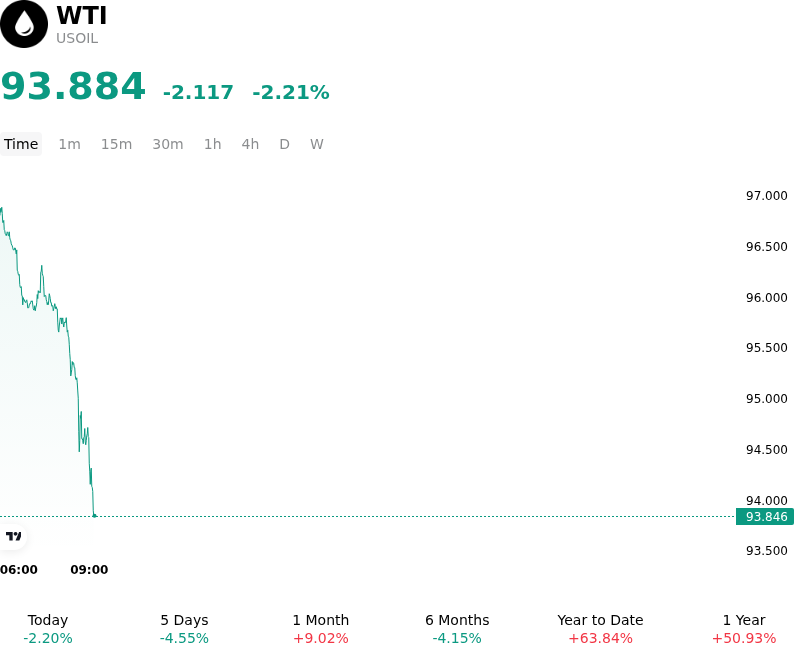
What is driving WTI (USOIL)’s stock price down today?
The pullback in crude oil prices was driven primarily by a swift unwinding of the geopolitical risk premium following indications of improving transit conditions through key Middle Eastern shipping lanes and reports of prospective diplomatic mediation. Expectations of severe supply disruptions eased as maritime traffic through the Strait of Hormuz demonstrated signs of stabilization, underpinned by enhanced security coordination and naval protection along strategic export channels. As immediate fears of physical throughput bottlenecks and halted shipments receded, institutional market participants trimmed risk-hedging positions, causing the geopolitical buffer that had previously propelled futures higher to decay.
Adding to the downward pressure were persistent demand-side headwinds and localized inventory dynamics in major consuming regions. Softer crude import appetite from Asia, particularly China, weighed heavily on market balance expectations. Substantial domestic strategic stockpiles and reduced purchasing activity from Chinese refiners reinforced concerns that elevated energy prices and sluggish manufacturing metrics are constraining crude intake. In addition, broader demand destruction across middle distillates and petrochemical feedstocks continues to act as a structural drag on global oil demand forecasts, limiting the scope for sustained price rallies.
From a macroeconomic and positioning standpoint, the downward movement was further amplified by central bank monetary expectations, a firm U.S. dollar, and liquidity-driven technical flows. Persistent monetary tightness across major developed economies continues to raise borrowing costs and weigh on broader growth sentiment, tempering long-term energy consumption outlooks. Once crude futures breached key psychological support levels, automated momentum selling and institutional profit-taking accelerated the slide. Investors remain focused on monitoring whether shipping stabilization holds alongside upcoming global PMI releases and supply adjustments from major producers.
Technical Analysis of WTI (USOIL)
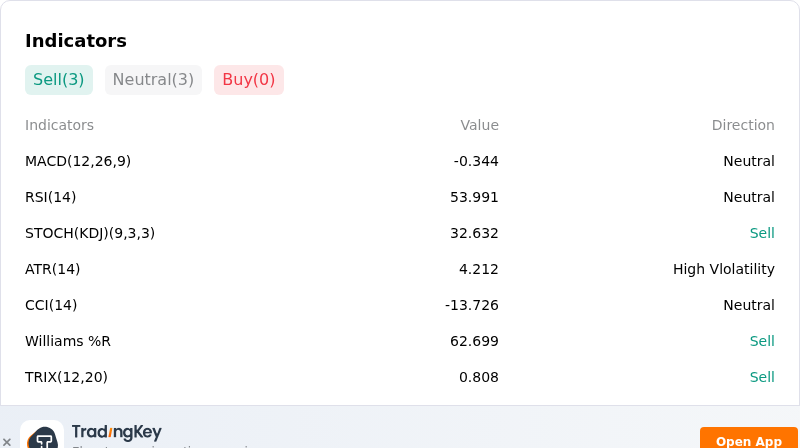
Technically, WTI (USOIL) shows a MACD (12,26,9) value of -0.344, indicating a neutral signal. The RSI at 53.991 suggests neutral condition and the Williams %R at 62.699 suggests sell condition. Please monitor closely.
More details about WTI (USOIL)
Recent Events and Risks:
- Unexpected Crude Inventory Accumulation: Recent API and EIA weekly inventory reports indicated a sharp, unexpected crude stockpile build exceeding 7 million barrels, eroding spot market tightness and triggering long liquidation in prompt WTI contracts as storage levels expand.
- Geopolitical Risk Premium Unwind: Indications of diplomatic progress, potential ceasefire talks, and rapid progress on pipeline infrastructure repairs in the Middle East have diminished perceived supply disruption risks, driving a fast unwind of geopolitical risk premiums in crude futures.
- Structural Market Oversupply Concerns: Projections from major energy agencies pointing to expanding global supply surpluses—driven by resilient non-OPEC production and planned OPEC+ output normalization—continue to weigh on prompt pricing and threaten to push the forward curve deeper into contango.
- Deteriorating Demand and Macro Headwinds: Sluggish industrial activity, reduced refinery run rates in major Asian economies, and weakening demand for key refined products such as naphtha and jet fuel are amplifying fears of global demand destruction among institutional commodity desks.
Find out more